
 English
- All
- Product Name
- Product Keyword
- Product Model
- Product Summary
- Product Description
- Multi Field Search
English Views: 0 Author: Site Editor Publish Time: 2025-12-10 Origin: Site


Is your washing machine not performing as expected? A malfunctioning washing machine motor could be the culprit. The washing machine motor plays a critical role in ensuring that your appliance operates smoothly through various wash cycles.In this article, we will discuss how the washing machine motor works, including its key components. Understanding how it powers the drum and drives the different functions of the wash cycle can help you troubleshoot issues and make better repair decisions. You'll also learn about common motor problems and when it’s time to repair or replace the motor.By the end of this article, you'll have a clear understanding of how your washing machine motor functions, how to recognize issues, and how to care for it, ensuring your machine runs efficiently for years to come.
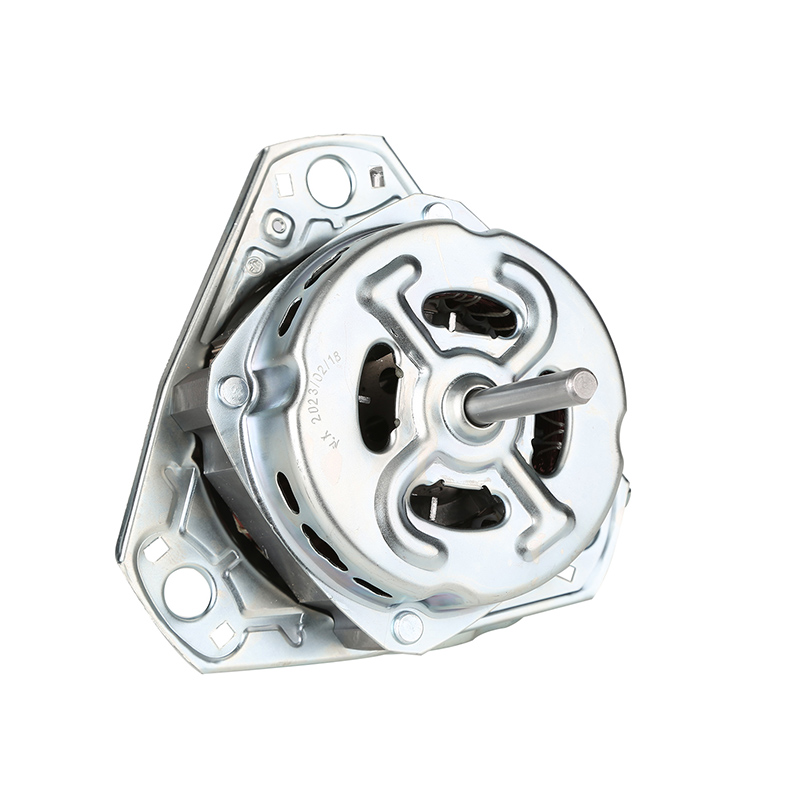
A washing machine motor is the driving force behind the machine’s washing and spinning cycles. The motor converts electrical energy into mechanical energy, which turns the drum and agitates the clothes inside. There are different types of motors used in washing machines, including universal motors and induction motors. Each type has its advantages in terms of performance, efficiency, and cost.
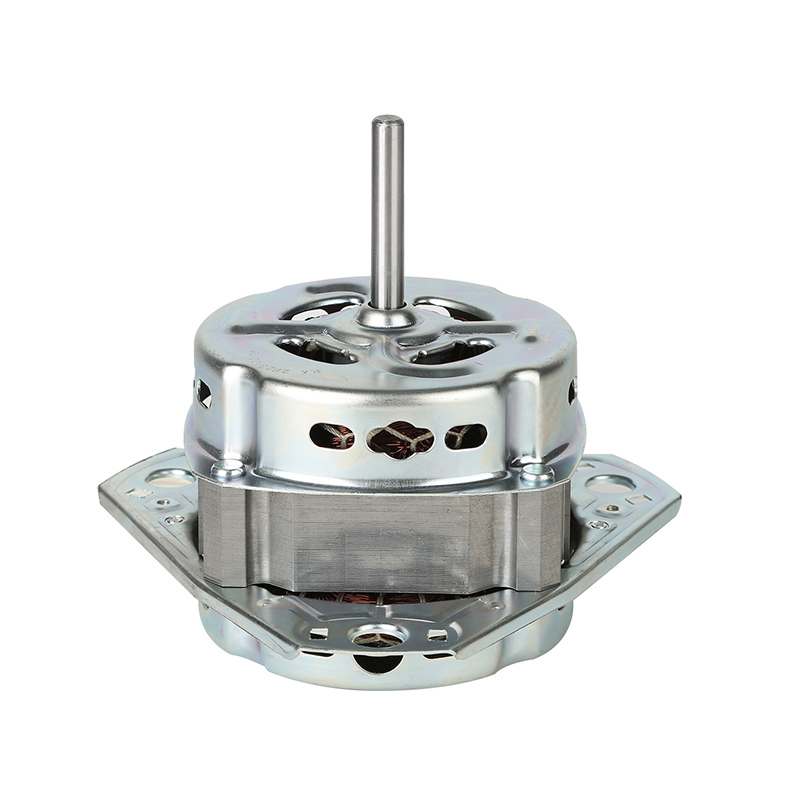
The washing machine motor consists of several key parts, such as:
● Stator: The stationary part of the motor that generates a magnetic field.
● Rotor: The rotating part connected to the drum.
● Commutator (in some motors): It helps control the direction of current flow to the rotor. These components work together to generate the force needed to spin the drum, perform agitation, and ultimately clean your clothes.
The motor’s role during the washing cycle is to rotate the drum and create the necessary agitation. The motor alternates its rotation speed and direction depending on the phase of the wash cycle. During agitation, the motor drives the drum in one direction, creating motion that helps clean the clothes. During the spin cycle, the motor drives the drum at high speeds to remove excess water from the clothes.
The motor’s speed and power vary depending on the cycle. During the wash cycle, the motor may operate at a lower speed, providing gentle agitation to clean clothes. During the rinse cycle, the motor operates at a higher speed to spin out the water from the clothes. The motor adapts its speed and power to the amount of water in the drum and the type of load in order to optimize performance.
There are two main types of motors commonly used in washing machines:
● Universal Motors (AC Motors): These motors are typically found in budget-friendly washing machines. They are capable of running on both AC and DC current. Universal motors are cheaper but can wear out faster due to their brushes.
● Induction Motors (DC Motors): Induction motors are commonly used in more energy-efficient and premium washing machines. They are more durable, quieter, and run more efficiently than universal motors. However, they tend to be more expensive.
Direct drive motors have gained popularity in modern washing machines. Unlike traditional motors, which use belts and pulleys to drive the drum, direct drive motors are directly connected to the drum. This eliminates the need for belts and reduces the chances of mechanical wear. The benefits include quieter operation, fewer parts to maintain, and better energy efficiency.
Common symptoms that your washing machine motor may be failing include:
● The drum does not spin.
● The motor makes a loud or unusual noise.
● The washing machine fails to complete the washing cycle. If you experience any of these signs, it's important to have the motor inspected to prevent further damage.
Several factors can cause a washing machine motor to fail, including:
● Overheating: Running the washing machine with too large of a load can cause the motor to overheat and burn out.
● Wear and Tear: Over time, the brushes in the motor may wear out, especially in universal motors.
● Electrical Issues: Faulty wiring, damaged components, or power surges can cause the motor to malfunction. Improper maintenance, such as not cleaning the motor or overloading the washing machine, can accelerate motor failure.
Deciding whether to repair or replace the motor depends on several factors:
Repair Option | Cost Range | When It's Worth Considering |
Motor Repair | $200 - $500 | When repair costs are lower than the replacement cost |
Motor Replacement | $400 - $600 | When the motor is too damaged to repair or repair costs are too high |
New Washing Machine | $400 - $800 | If repair costs exceed 50% of the washing machine’s value |
This table helps you make an informed decision on whether to repair or replace your washing machine motor. If the repair cost is close to or more than the cost of replacing the motor, you may want to consider buying a new machine.
Replacing a washing machine motor involves several steps:
1. Turn off the power and water supply to the washing machine.
Always ensure the machine is completely powered off before starting any repairs. Disconnect the power cord and shut off the water supply valves to prevent accidents
2. Remove the outer casing to access the motor.
Depending on your washing machine model, remove the front or back panel to expose the motor. You may need a screwdriver or specialized tool to remove screws.
3. Disconnect the motor’s electrical connections and remove any belts or pulleys.
Carefully disconnect the wiring from the motor, making note of where each connection belongs. If your motor is connected to a belt or pulley, carefully remove it without damaging other components.
4. Install the new motor, ensuring it is securely connected to the drum and electrical system.
Place the new motor in the appropriate position and secure it tightly. Reconnect the wiring, making sure all connections are solid and properly insulated. Reinstall any pulleys or belts, ensuring they are aligned correctly.
5. Test the washing machine to ensure proper operation.
After installation, plug the machine back in and test it through a cycle. Listen for unusual noises and check if the motor runs smoothly. If everything works well, the motor replacement is successful.
While it is possible to replace the motor yourself, it is recommended to seek professional help if you're unsure about the process.
With increasing focus on sustainability, washing machine motor technology is evolving. Modern motors are designed to consume less energy while still providing high performance. Newer motor designs, such as brushless motors, improve efficiency, reduce noise, and extend the lifespan of washing machines.
Motor technology directly influences washing machine performance. Advances in motor design have led to faster wash cycles, quieter operation, and better energy savings. Future washing machines will likely incorporate even more advanced motor technologies, contributing to enhanced cleaning capabilities and lower electricity consumption.
The motor in your washing machine is essential for its operation, driving both the wash and spin cycles. Understanding how the motor works can help you troubleshoot issues, decide when repairs are necessary, and ultimately make more informed decisions about your washing machine. Regular maintenance can extend the motor’s life and ensure your machine runs efficiently. Whether repairing or replacing, knowing the role of the motor is crucial for optimal appliance care. At SZNX, we offer expert solutions for appliance maintenance, ensuring your machines continue to work smoothly for years to come.
A: A washing machine motor is the component that drives the drum, powering both the wash and spin cycles. It converts electrical energy into mechanical motion, allowing the machine to agitate clothes and spin them dry.
A: The washing machine motor works by generating rotational motion. It drives the drum during washing and spinning cycles, using either an induction or universal motor to turn the drum at different speeds depending on the cycle stage.
A: The washing machine motor is crucial because it powers the drum, controlling agitation and spinning. Without it, the machine cannot function properly, leading to incomplete washes and inefficient drying.
A: Common signs of a failing washing machine motor include unusual noises, failure to spin, or the machine not starting. If you notice these issues, the motor may need inspection or repair.
A: While minor issues may be fixable by DIY enthusiasts, repairing a washing machine motor typically requires technical expertise. It's often safer and more cost-effective to hire a professional for motor repairs or replacements.


