
 English
- All
- Product Name
- Product Keyword
- Product Model
- Product Summary
- Product Description
- Multi Field Search
English Views: 0 Author: Site Editor Publish Time: 2025-12-17 Origin: Site


Washing machine motors are essential for the smooth functioning of your appliance. They power critical components like the drum, enabling agitation and spinning during the wash and rinse cycles. If your washing machine isn't working as efficiently as it should, a faulty motor could be the problem. Understanding the different types of washing machine motors is essential for diagnosing issues, selecting the right motor for repairs, and deciding when a replacement is necessary.Washing machine motors can vary widely, and each type has its own set of advantages and disadvantages. Whether you're dealing with a noisy machine, a failure to spin, or a washing machine that won't start, understanding your motor type can help you troubleshoot and avoid unnecessary repair costs. In this article, we will explore the various types of washing machine motors, their functions, and the pros and cons of each type to help you make an informed decision.
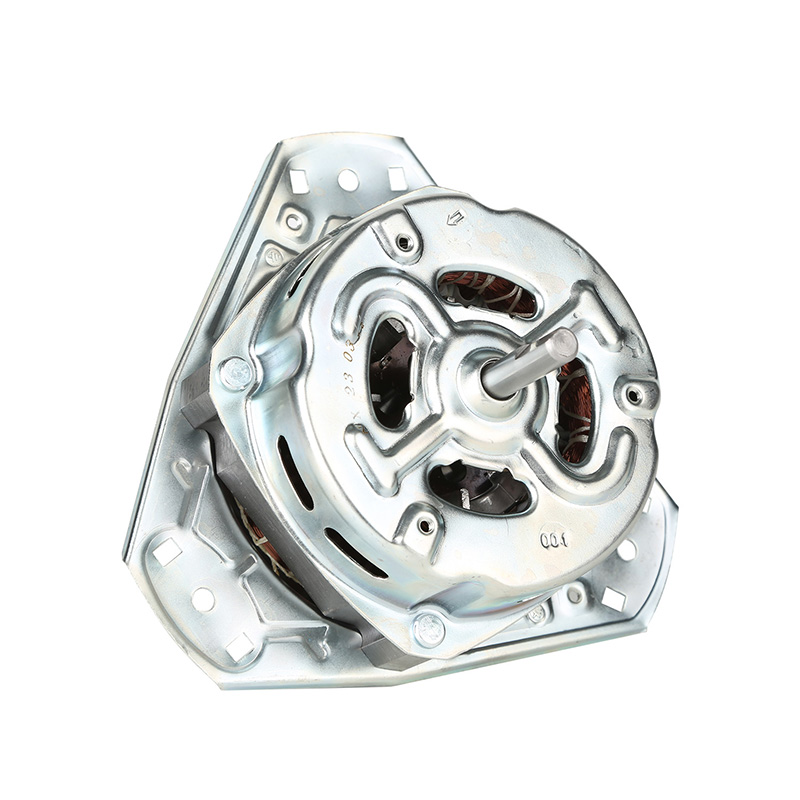
A washing machine motor is a crucial component responsible for powering the drum during the wash, rinse, and spin cycles. It converts electrical energy into mechanical energy to move the drum and agitator, driving the key functions of the appliance. Without a properly functioning motor, the washing machine would be unable to perform its main tasks—such as washing clothes, draining water, and spinning out excess moisture.
The motor is also responsible for regulating the speed of the drum, adjusting for different cycles, and ensuring the washing machine operates efficiently. Understanding the motor’s role is vital when diagnosing problems and deciding whether a repair or replacement is necessary.
The motor in a washing machine performs several essential functions, which include:
● Agitation: During the washing cycle, the motor powers the agitator, causing it to move back and forth. This movement helps to clean clothes by scrubbing them with detergent and water.
● Spinning: In the spin cycle, the motor drives the drum to spin at high speeds, which helps to remove excess water from clothes.
● Draining: The motor is also responsible for running the drain pump, allowing water to be expelled from the washing machine.
Each motor type plays a different role in these processes, and selecting the right motor can significantly impact performance.
The top-loading washing machine motor is designed to drive the agitator or impeller, which helps to move clothes during the wash cycle. This motor typically uses a belt-driven system or, in some cases, a direct drive system, depending on the model.
● Cost-Effective: Generally, top-loading motors are more affordable than those used in front-load machines, making them a popular choice in budget-friendly models.
● Faster Wash Cycles: These motors are capable of higher spin speeds, resulting in quicker wash cycles.
● Easy to Maintain: Due to their simpler design, top-loading washing machine motors are easier and cheaper to maintain.
● Noisier Operation: Top-loading motors can be louder during operation, especially in older models.
● Higher Energy Consumption: These motors may consume more energy compared to modern, energy-efficient motor types in other washing machines.
A wash motor in a twin tub washing machine is responsible for agitating the clothes in the wash tub. The motor rotates the agitator or impeller in one tub to wash the clothes and is separate from the motor that drives the spin cycle in the other tub.
● Efficient Washing: These motors are designed to provide powerful agitation, resulting in better cleaning performance.
● Separate Functionality: By having two motors, one dedicated to washing and the other to spinning, the performance of each task is optimized.
● Cost-Effective: Twin-tub washing machines with separate motors are often more affordable and have a longer lifespan than single-motor systems.
● Takes Up More Space: Twin tub machines are bulkier due to the separate compartments and motors.
● Manual Operation: Unlike fully automated washing machines, users need to manually transfer clothes from the wash tub to the spin tub.
The spin motor in a twin tub washing machine powers the spin drum that removes water from clothes after the wash cycle. This motor typically operates at high speeds to spin the drum rapidly, ensuring clothes are as dry as possible before being removed.
● High-Speed Performance: Spin motors in twin tub machines are designed for high-speed rotation, ensuring efficient water removal.
● Energy Efficient: These motors consume less energy compared to more complex motor systems in single-tub machines.
● Durability: The robust design of spin motors in twin tub machines ensures they last a long time with proper maintenance.
● Loud Operation: Spin motors can generate more noise and vibration due to the high-speed operation.
● Requires Manual Assistance: Like the wash motor, the spin motor in twin-tub machines requires the user to manually transfer clothes from the washing tub to the spinning tub.
Motor Type | Energy Efficiency | Noise & Vibration | Cost | Durability |
Top Loading Motor | Moderate | High | Low | Moderate |
Wash Motor for Twin Tub Washing Machine | Moderate | Moderate | Low | High |
Spin Motor for Twin Tub Washing Machine | High | Moderate | Low | High |
Each motor type has a different impact on the performance and energy consumption of the washing machine:
● Top-loading motors are faster but less energy-efficient, which can result in higher electricity bills.
● Twin tub wash motors provide efficient washing and cost-effective solutions, but they may consume more space.
● Twin tub spin motors offer high-speed water removal and are energy efficient, reducing electricity consumption.
The durability of washing machine motors depends largely on the type:
● Top-loading motors have a shorter lifespan due to higher speeds and wear.
● Twin tub motors are generally more durable as they have separate components for washing and spinning.
● Spin motors in twin tub machines last longer with proper maintenance due to their robust design.
The amount of noise and vibration during operation varies by motor type:
● Top-loading motors produce significant noise and vibration.
● Twin tub motors offer moderate noise, with the wash motor generally quieter than the spin motor.
● Spin motors in twin tub machines produce more noise due to their high-speed operation but are efficient.
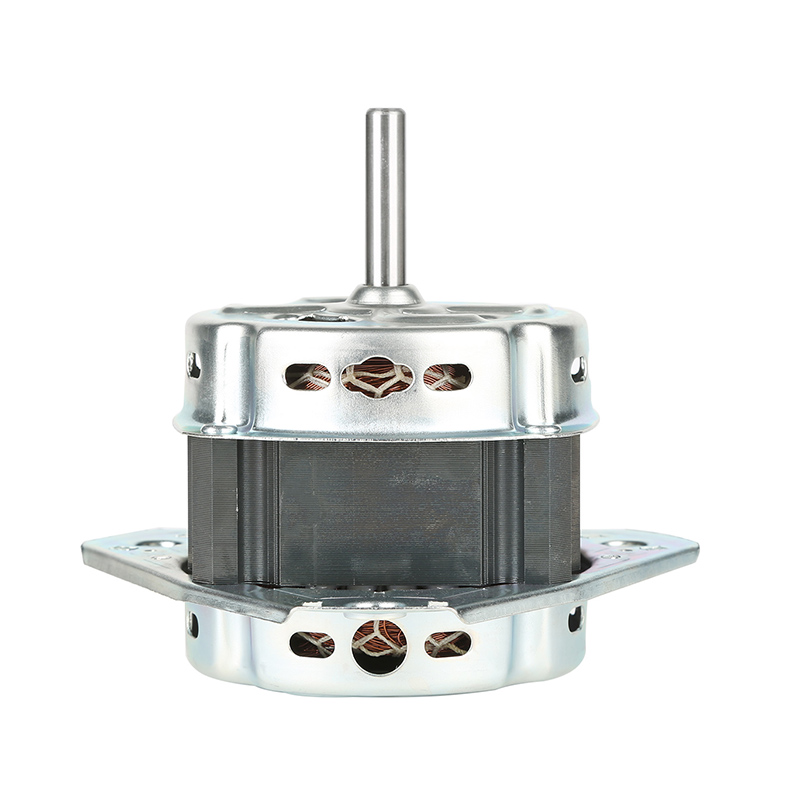
The motor you choose depends on the design of your washing machine:
● Top-load washing machines often use motors that drive agitators or impellers.
● Twin-tub washing machines use separate motors for washing and spinning, optimizing the performance of each function.
When replacing a motor, you should consider:
● Compatibility: Ensure the motor fits your washing machine's design and capacity.
● Performance Needs: Choose a motor based on your washing needs, such as the required cycle speeds and energy efficiency.
● Cost: More advanced motors like direct drive and brushless DC motors may have a higher initial cost but offer long-term savings in energy efficiency and durability.
Overheating is a common issue, particularly with top-loading motors.
● Causes: Overloading the washing machine or poor ventilation can cause the motor to overheat.
● Solution: Clean the motor vents and avoid overloading the machine to prevent overheating.
Motor brushes wear out over time and need to be replaced regularly.
● Signs: The washing machine may fail to start, or the drum may not spin properly.
● Solution: Inspect and replace worn-out brushes to restore the motor’s function.
Electrical problems, such as faulty wiring or power supply issues, can stop the motor from functioning.
● Solution: Inspect the wiring for damage and ensure all electrical components are functioning properly.
When the motor isn’t functioning correctly, consider calling a professional if:
● The motor makes strange noises.
● It doesn’t start, or it stops unexpectedly.
Professional repair services ensure proper motor installation and troubleshooting, saving time and money in the long run.
Understanding the different types of washing machine motors is crucial for maintaining the machine’s performance and longevity. Each motor type has unique advantages and drawbacks, and choosing the right one can enhance your washing machine’s efficiency. Whether you’re troubleshooting motor issues or replacing a faulty motor, understanding your washing machine’s motor type helps you make informed decisions. SZNX provides high-quality, durable, and energy-efficient washing machine motors designed to meet the needs of modern appliances.
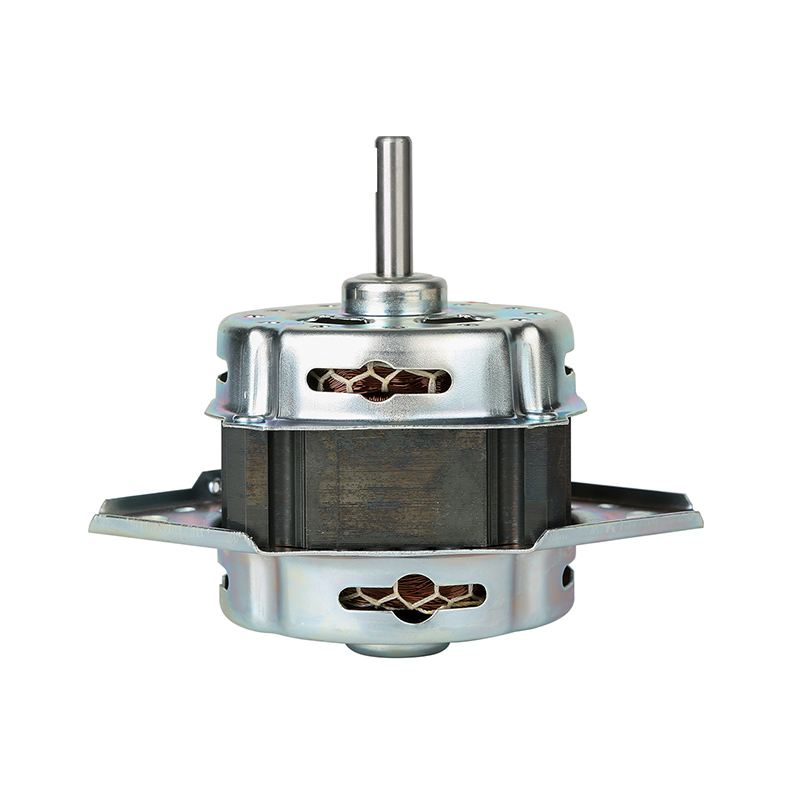
A: Washing machine motors are crucial components that drive the drum, facilitating the washing, spinning, and draining cycles. They convert electrical energy into mechanical energy for smooth appliance operation.
A: There are several types of washing machine motors, including top-loading motors, wash motors for twin-tub washing machines, and spin motors for twin-tub washing machines, each with unique features and benefits.
A: Top-loading motors are typically used for agitation and spinning in one compartment, while twin-tub motors are split into two—one for washing and one for spinning, optimizing performance and efficiency.
A: Yes, overheating can occur, especially in top-loading motors, often due to overloading the machine. Proper maintenance and avoiding excessive loads can help prevent motor overheating.
A: If your washing machine motor makes unusual noises, fails to spin, or shows visible damage like burnt wires, it may need replacing. A multimeter test can confirm if it's beyond repair.


