
 English
- All
- Product Name
- Product Keyword
- Product Model
- Product Summary
- Product Description
- Multi Field Search
English Views: 0 Author: Site Editor Publish Time: 2025-12-15 Origin: Site


Is your washing machine not working as efficiently as it should? A malfunctioning washing machine motor could be the culprit, leading to issues like failure to spin or agitate.The washing machine motor is the heart of the appliance, driving the drum through various cycles like washing, spinning, and rinsing. If your washing machine is acting up, understanding how to test the motor is crucial. It can help you diagnose problems early, potentially saving you money on repairs or unnecessary replacements.In this article, you will learn how to test the washing machine motor, identify common symptoms of a faulty motor, and troubleshoot issues that may arise. Whether you're facing a strange noise or a failure to start, this guide will help you take the right steps in determining whether your motor needs repair or replacement.
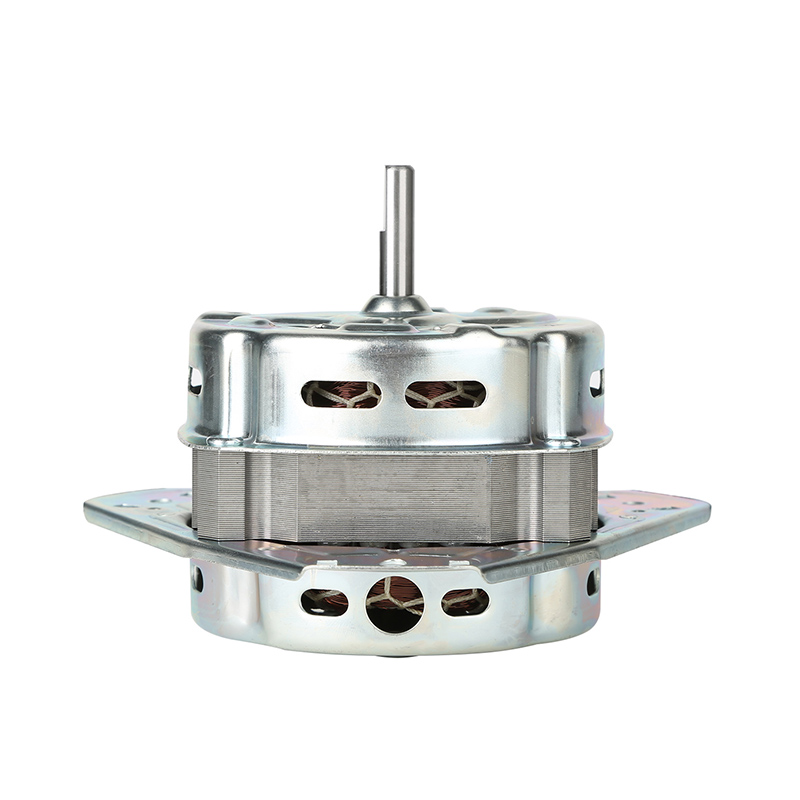
The washing machine motor is responsible for powering the drum to agitate clothes during the wash cycle and spin them during the spin cycle. The motor adjusts its speed based on the cycle type, making it a critical part of the machine’s operation. Without a fully functioning motor, your washing machine will fail to clean clothes properly, which can lead to a series of problems.
Several warning signs can indicate that the washing machine motor is malfunctioning:
● Failure to start: The machine doesn’t power up or run.
● Unusual noises: Grinding or humming noises could indicate the motor is struggling.
● Failure to spin: If the drum doesn’t rotate during the spin cycle, the motor might be at fault. Recognizing these signs early can help prevent further damage to the machine.
Before testing the washing machine motor, always disconnect the power supply to avoid electric shock. Shut off the water supply as well to prevent any leaks or floods. Ensure you are using insulated tools to protect yourself during testing, and always work in a dry area.
To properly test the washing machine motor, you will need a few tools:
Tool | Purpose |
Multimeter | Used for checking the motor’s continuity and electrical components. |
Screwdrivers | To open the machine’s panels for inspection. |
Gloves | To protect hands when handling electrical components. |
Wrench/Socket Set | For removing bolts and securing the motor during replacement. |
These tools will help you perform a thorough motor test and identify any faults accurately.
Before diving into electrical testing, perform a visual inspection of the motor. Look for:
● Loose or damaged wires: If any wires are loose, disconnected, or show signs of wear, they could be causing the issue.
● Burnt or scorched components: Signs of overheating or burnt-out components should be addressed immediately.
● Physical damage: Any cracks or breaks in the motor housing can cause malfunction.
Ensure that everything is intact and secure before proceeding.
A multimeter is an essential tool for checking the electrical components of your motor. Here’s how to use it:
1. Set your multimeter to the continuity setting.
2. Touch the probes to the motor’s terminals.
3. Check for a reading of continuity (beeping or a low resistance reading).
4. If there’s no continuity, it’s likely the motor windings are damaged, which may require a replacement.
This step helps confirm whether the electrical circuits inside the motor are intact.
Some washing machines have a capacitor connected to the motor. This capacitor helps the motor start and run efficiently. To test it:
1. Disconnect the capacitor from the motor.
2. Set your multimeter to the capacitance setting.
3. Measure the capacitance of the capacitor and compare it with the rating printed on it.
4. If the capacitor's capacitance is too low, it should be replaced.
A faulty capacitor can prevent the motor from starting or cause erratic motor performance.
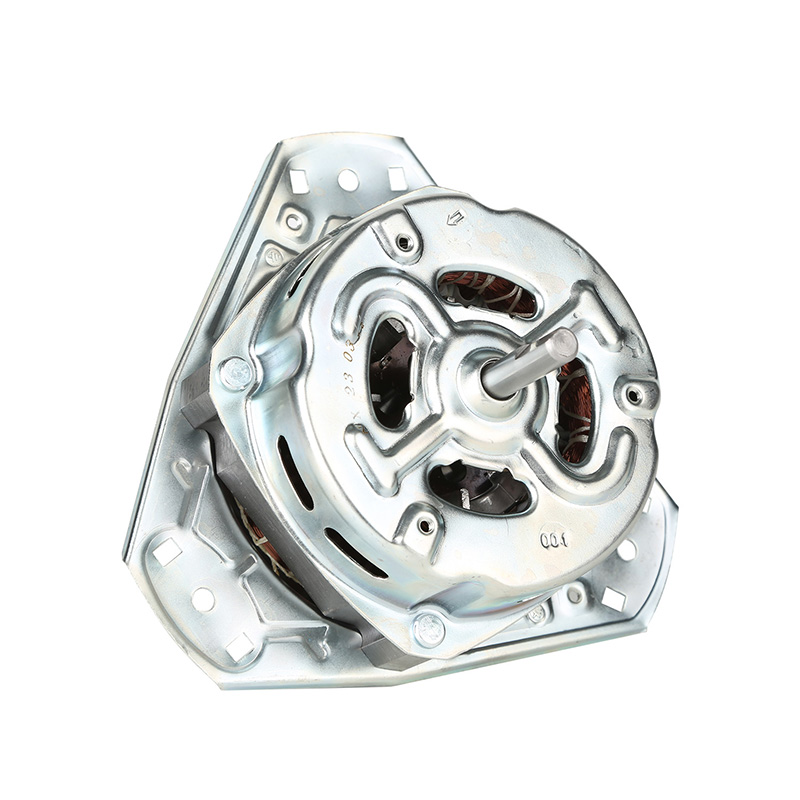
Overheating is one of the most common reasons for motor failure. If the motor gets too hot, it can burn out, causing permanent damage. Ensure the washing machine is not overloaded, as this can strain the motor. To prevent overheating, clean the motor vents regularly and ensure the washing machine is on a level surface to allow proper air circulation.
Motor brushes are essential for transferring electrical current to the motor's rotor. Over time, these brushes wear out. If your washing machine is making unusual noises or the drum isn't spinning, worn-out brushes might be the cause. To replace the brushes, remove the motor from the washing machine and inspect the brushes. If they’re worn down, replace them with new ones.
Loose, frayed, or damaged wiring can prevent the motor from functioning correctly. If the motor isn’t receiving power, it may not start or may shut off unexpectedly. Inspect the wiring for any visible damage and ensure all connections are secure. Repair any broken or frayed wires and replace any damaged components.
Issue | Cause | Solution |
Overheating and Burnt Motor | Caused by overloading the machine or poor ventilation. | Regularly clean motor vents and avoid overloading the machine. |
Faulty Motor Brushes | Brushes wear out over time, reducing current flow to the rotor. | Replace worn-out brushes for proper operation. |
Electrical Failures/Wiring Issues | Loose or frayed wires disrupting power to the motor. | Inspect and repair any damaged wiring and ensure all connections are secure. |
If your washing machine motor has burnt windings, persistent electrical failures, or is physically damaged beyond repair, replacing it might be the best option. Motor replacement is often more cost-effective than continuously repairing a failing motor. If the motor is old and the washing machine itself is nearing the end of its lifespan, replacing the entire machine may be a better solution.
If you’re unsure about diagnosing or repairing the motor, seeking professional help is always a good idea. Certified technicians have the experience to test and repair the motor safely and efficiently. Professional repair services also come with warranties, ensuring peace of mind that the motor is fixed properly.
Proper maintenance can extend the life of your washing machine motor. Here are some tips:
● Clean filters regularly to prevent debris from clogging the motor.
● Avoid overloading the machine, as this puts unnecessary strain on the motor.
● Check the belt tension (if applicable) to prevent excessive wear.
● Lubricate moving parts to ensure smooth operation and reduce friction.
Look out for warning signs like:
● Unusual noises during operation.
● Failure to start or stop mid-cycle.
● Inconsistent spinning or agitation.
If any of these occur, schedule a professional inspection to avoid more severe motor issues down the line.
Testing the washing machine motor is a crucial step in ensuring the machine functions correctly and efficiently. By recognizing signs of motor problems early and performing the necessary tests, you can prevent costly repairs or replacements. Regular maintenance also helps extend the motor’s lifespan, saving you money in the long run. If in doubt, don’t hesitate to seek professional help for testing and repairs.At SZNX, we are a leading manufacturer and supplier of high-quality washing machine motors and related appliances. Our products are designed to ensure long-lasting performance, energy efficiency, and durability. With years of experience in producing reliable motors, we provide expert solutions that keep your washing machines running smoothly and efficiently.
A: A washing machine motor is the key component that drives the drum, enabling agitation and spinning during wash and rinse cycles. It converts electrical energy into mechanical energy for smooth operation.
A: To test the washing machine motor, start with a visual inspection for any visible damage or wear. Then, use a multimeter to check the motor’s electrical continuity. If the motor is equipped with a capacitor, test it as well for functionality.
A: A malfunctioning washing machine motor can result from issues like worn-out brushes, faulty capacitors, electrical problems, or overheating. Identifying the specific cause can help determine whether repair or replacement is needed.
A: If the motor makes unusual noises, fails to spin, or is visually damaged (e.g., burnt wires or burnt windings), it may need replacing. A multimeter test can help confirm whether the motor is beyond repair.
A: Yes, you can test the washing machine motor yourself with basic tools like a multimeter, but it's recommended to seek professional help if you're unsure about handling electrical components or replacing parts.


