
 English
- All
- Product Name
- Product Keyword
- Product Model
- Product Summary
- Product Description
- Multi Field Search
English Views: 0 Author: Site Editor Publish Time: 2025-12-03 Origin: Site


Is your washing machine giving you trouble? Deciding whether to repair or replace it can be a tough call. With a washing machine motor that shows signs of wear or frequent breakdowns, it’s essential to consider your options carefully. Repairing it might seem like a quick fix, but is it really the best choice in the long run?The condition of your washing machine motor, the cost of repairs, and the age of the machine all play crucial roles in making this decision. If your machine is old and the repairs are becoming frequent and costly, it might be time to invest in a new one.In this article, we will explore how to evaluate these factors and guide you in deciding whether it’s better to repair or replace your washing machine. You’ll learn how to make the most cost-effective and practical choice for your household.

The age of your washing machine plays a major role in whether it's worth repairing or replacing. Washing machines typically last around 10-15 years. If your machine is over 10 years old, frequent breakdowns are common, and repairs may become more expensive than buying a new one.
Old Machines | New Machines |
More likely to experience motor or drum failures | More energy-efficient and reliable |
Frequent breakdowns | Fewer issues and better performance |
Higher repair costs | Modern features and updates |
One of the most critical aspects is comparing the cost of repairing your washing machine to the cost of buying a new one. If the washing machine motor fails, the repair can sometimes cost as much as or more than replacing the entire unit.
Repairing | Replacing |
Cheaper upfront, but may require frequent repairs | Higher initial cost, but with fewer repairs |
Potentially expensive motor repairs | New warranty, better efficiency |
If your washing machine has required multiple repairs in the past year, it might be time to consider replacing it. Repeated motor failures or other major issues often signal that the machine has reached the end of its useful life.
Frequent Repairs | Replacing |
Repairs become more expensive over time | New machine, no ongoing repair costs |
Chronic issues often signal the end of the machine’s life | No more recurring issues |
The washing machine motor is one of the most vital components of the machine. When it fails, the entire machine stops working properly. Common signs of a failing motor include:
● Strange noises: Grinding or humming sounds when the machine is operating.
● Failure to agitate or spin: If the drum isn't rotating properly, it could be a motor issue.
● Complete lack of movement: The machine might stop working entirely, indicating a serious motor failure.
If your washing machine motor is the primary issue, replacing it could be the solution. However, if the cost of replacing the motor is close to or exceeds the price of a new machine, replacement may be the better choice.
Replacing the Motor | Replacing the Machine |
Cost-effective if the motor is the only issue | More cost-effective if motor repairs exceed 50% of the machine’s value |
Extends the life of the machine | New machine with updated motor and better efficiency |
The washing machine motor is the heart of your machine. It controls the drum’s movement, allowing the washing machine to clean clothes effectively. If the motor is failing, no amount of repairs will restore the washing machine's full functionality. When the motor stops working, the machine is essentially useless.
Motor Failures | Impact |
Major motor failure | Machine will stop working altogether |
Minor motor issues | Reduces the efficiency of washing |
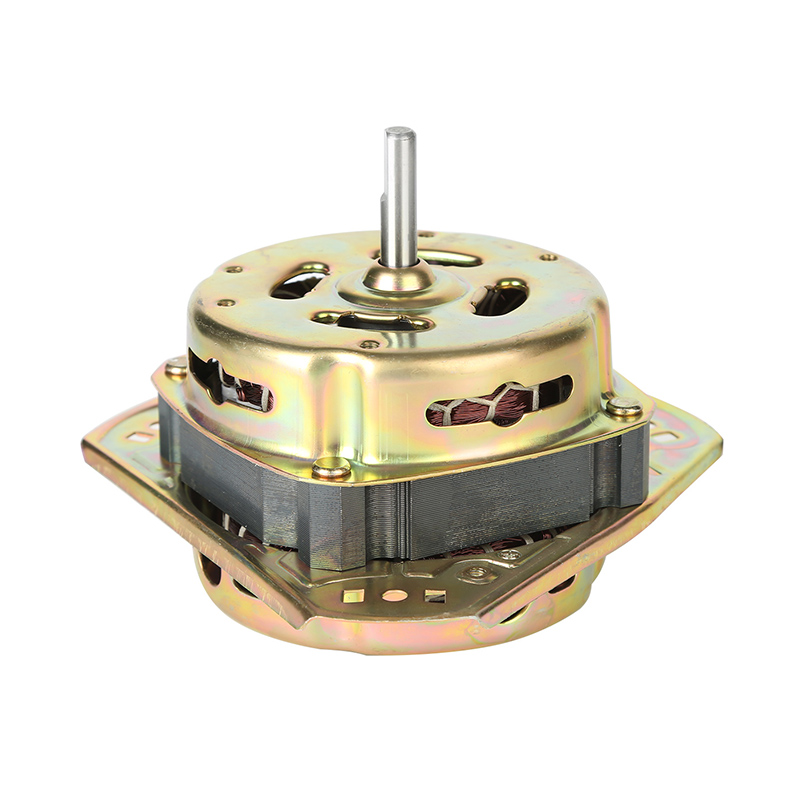
Repairing a washing machine is often cheaper upfront compared to replacing it. If only minor parts, such as the washing machine motor, need fixing, the cost is typically lower.
Advantages | Disadvantages |
Lower upfront cost | Frequent repairs may add up |
Extends the life of the machine | Repairs may not restore full efficiency |
Although repairs are cost-effective in the short term, they can add up over time. If the washing machine motor is repeatedly failing or if other components are also worn out, continued repairs may not be worth it.
Repairs | Replacement |
Repairs may not restore the washing machine's efficiency | New machine with warranty and reliability |
Frequent repairs increase costs | No future repairs needed |
A new washing machine offers several benefits, such as better energy efficiency, improved washing performance, and fewer repairs. Updated motors and newer features ensure that you get the most value from your appliance.
Benefits of Replacing | Drawbacks |
Improved energy efficiency | Higher initial cost |
Better washing performance | Disposal of the old machine |
Although replacing your washing machine can offer long-term savings, it does come with higher upfront costs. Additionally, disposing of your old machine and the environmental impact of producing and shipping a new one can be a concern.
A practical rule is to replace your washing machine if the cost of repairing it exceeds 50% of the price of a new one. This is especially true when the washing machine motor fails and repair costs are high.
50% Rule | Cost Comparison |
Repair cost exceeds 50% of a new machine | Time to consider replacement |
High motor repair cost | Often more economical to buy a new machine |
If key components like the motor fail, it may no longer be worth repairing. Major component failure signals that the machine is nearing the end of its life and may not be worth saving.
Component Failure | Decision |
Motor failure or other critical issues | Time to replace the washing machine |
Multiple failures over time | New machine may save future repair costs |
When deciding whether to repair or replace your washing machine, it's important to consider the total cost of ownership. Frequent repairs can quickly add up, especially when dealing with issues like a failing washing machine motor. In the long run, a new washing machine may offer energy savings and fewer repair costs. While a new machine requires a higher upfront investment, it can save you money over time by reducing repair expenses and improving efficiency. In contrast, an older machine may become more costly to maintain, making replacement the more cost-effective option.
New washing machines are generally more energy-efficient, reducing electricity consumption and lowering your utility bills. If your current washing machine is old and inefficient, replacing it with a modern, energy-efficient model can be a more sustainable choice. Not only will it help save on energy costs, but it also reduces your carbon footprint. New machines are designed to meet higher environmental standards, making them a greener choice for your household in the long run.
Energy Efficiency | Environmental Impact |
New machines save on energy bills | Older models consume more energy |
Lower carbon footprint | Recycling or disposing of an old machine can be a challenge |
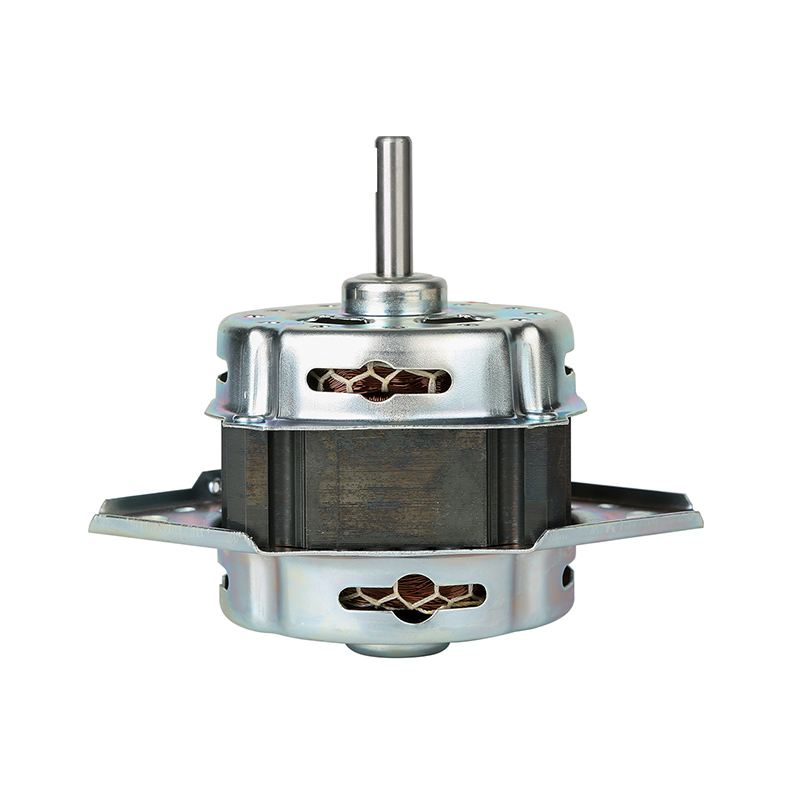
When deciding whether to repair or replace your washing machine, consider factors like the condition of the washing machine motor, repair costs, and the machine's age. If frequent repairs or high motor failure costs arise, replacement is often the better option. If the motor or major components are failing, and repairs are costly, replacing the machine could save you money. For high-quality parts or motor replacements, companies like SZNX provide durable components that enhance your washing machine's performance and longevity. This article helps guide you in making the best decision for your washing machine.
A: Signs of a failing washing machine motor include strange noises, failure to agitate or spin, or the machine not working at all.
A: Repairing a washing machine motor may be worth it if the cost of repair is less than replacing the machine. However, if repair costs are high, replacement might be more cost-effective.
A: If the washing machine motor or other key components fail and repairs are costly, replacing the machine is often a better choice.
A: The cost of repairing or replacing a washing machine motor varies, but typically, replacing it can cost as much as or more than buying a new machine.
A: The washing machine motor is essential for the machine’s operation. If it fails, the machine cannot function properly, making it a key factor in deciding whether to repair or replace.


