
 English
- All
- Product Name
- Product Keyword
- Product Model
- Product Summary
- Product Description
- Multi Field Search
English Views: 0 Author: Site Editor Publish Time: 2026-06-13 Origin: Site


Few household failures cause as much instant frustration as a washing machine refusing to spin. You expect clean, damp laundry, but instead find a heavy, soaked mess. This operational halt instantly disrupts your weekly routine and leaves you scrambling for quick answers. The immediate dilemma involves isolating the exact root cause of this failure. You must determine if you face a catastrophic motor breakdown or merely a failing peripheral component. Parts like lid switches and snapped drive belts often mimic a dead motor. This guide provides an evidence-based diagnostic framework to help you pinpoint the exact issue. We will evaluate the repair viability so you can make a smart financial decision. Finally, we will walk you through the technical steps required for a safe, successful DIY motor replacement.
Diagnose Before Sourcing: Over 30% of perceived spin motor failures are actually due to faulty lid switches, broken drive belts, or clogged drain pumps.
Calculate Repair ROI: Replacing the spin motor of a washing machine is viable if the unit is under 7 years old; otherwise, total replacement may be more cost-effective.
Safety First: Spin motor replacement requires navigating high-voltage capacitors and heavy mechanical assemblies—strict adherence to electrical safety protocols is mandatory.
Specialized Tooling Required: Successful DIY implementation requires a digital multimeter, socket set, and potentially a motor spring tool.
Replacing a functional motor wastes capital and time. Establish a baseline diagnosis before ordering parts. A complete motor failure is relatively uncommon compared to peripheral component breakdowns. You must systematically rule out other culprits before deciding you need a new Spin Motor.
Many mechanical and electronic safeguards prevent a washer from spinning. Check these four critical areas first:
Lid Switch Assembly: If the washer agitates normally but refuses to spin, the safety switch is the most statistically probable failure point. Modern machines halt spinning immediately if the lid switch fails to register a closed door.
Drive Belt/Coupling: Inspect the transmission connection. Look for visual snapping, extreme rubber wear, or physical decoupling. A snapped belt allows the motor to run freely while the drum remains completely stationary.
Drain Pump Blockage: Modern washers monitor water levels continuously. They will intentionally abort the spin cycle if water cannot evacuate properly. Check the pump filter for coins, lint, or small garments.
Motor Control Board (MCB): You must differentiate between a mechanical motor failure and an electronic command failure. Look for burn marks on the control board or listen for clicking relays.
Once you rule out belts and switches, you must test the motor directly. Do not rely on visual inspections alone. Use a digital multimeter to test the motor windings for continuity.
Disconnect the machine from power completely.
Locate the main wiring harness connecting the motor.
Set your digital multimeter to the lowest Ohms (resistance) setting.
Probe the common terminal and the spin winding terminal.
Check the reading against OEM specifications.
Most functional appliance motors show a resistance between 2 and 10 ohms across the main windings. An "OL" (Open Loop) reading indicates a broken internal wire. A reading of zero indicates a short circuit. Both scenarios confirm a dead motor.
You face three distinct paths once you confirm a dead motor. Your success criteria should focus on restoring appliance functionality with the lowest overall expense and minimal downtime.
Tackling this repair yourself offers distinct financial advantages. It completely eliminates labor costs, which typically range from $100 to $250. You also secure the fastest turnaround time if you can source the required parts locally. However, this approach carries undeniable physical and electrical injury risks. Furthermore, opening the machine cabinet usually voids any active manufacturer warranties.
Hiring a certified technician provides peace of mind. Professionals offer guaranteed diagnostic accuracy. Their work usually includes a service warranty and strict compliance with local electrical standards. The primary drawbacks include high upfront costs and frustrating scheduling delays. You might wait several days for an appointment.
Sometimes, fixing an old machine drains your resources poorly. You should apply the 50% Rule here. If the combined cost of the spin motor of washing machine parts and professional labor exceeds 50% of the price of a comparable new unit, replace the asset entirely.
Solution Path | Estimated Cost Range | Downtime | Best For |
|---|---|---|---|
DIY Replacement | $50 - $150 (Parts only) | 1 - 3 Days | Out-of-warranty units, handy homeowners. |
Professional Repair | $200 - $400 (Parts + Labor) | 3 - 7 Days | Newer units, complex diagnostic needs. |
Buying New | $500 - $1,200+ | 1 - 2 Days | Units older than 7 years, frequent breakdowns. |
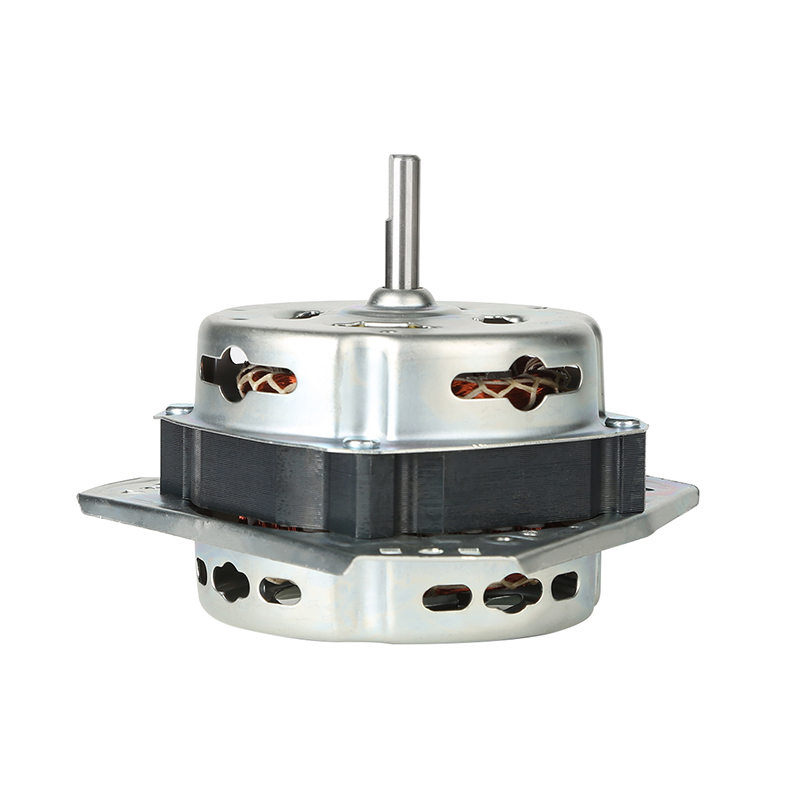
Appliance repair demands respect for electricity and kinetic forces. Proceeding without safety protocols invites serious injury. You must prepare your workspace properly.
Electrical isolation forms the foundation of repair safety. Mandatory disconnection from the power grid is non-negotiable. Unplug the machine from the wall completely. Do not simply rely on turning off the control panel.
Next, you must address the run capacitor. We issue an explicit warning regarding stored kinetic energy. The motor run capacitor stores massive electrical charges even when unplugged. Touching the terminals creates a severe electrocution risk. Discharge the capacitor safely by bridging the terminals using an insulated screwdriver.
Finally, implement water mitigation. Shut off the hot and cold inlet valves at the wall. Disconnect the hoses and drain any residual basin water into a floor drain or shallow pan. Heavy components become much harder to handle when water spills onto your workspace.
Successful extraction requires specific hand tools. Ensure you have the following items readily available:
Digital Multimeter (vital for continuity and voltage testing).
1/4" and 5/16" nut drivers or a complete socket wrench set.
Stiff putty knife (essential for releasing spring clips on the chassis).
Needlenose pliers (for safely removing wire harness connections).
Work gloves and safety glasses.
Installing a new washing machine spin motor requires patience and physical leverage. Follow these sequential phases to avoid damaging adjacent components.
You must access the motor carriage first. Front-load and top-load machines feature structural differences. Front-load washers usually require removing the rear access panel or the entire front bulkhead. Top-load washers often demand releasing console clips with a putty knife and unhinging the entire main cabinet shell. Consult your specific schematic to locate the hidden retaining clips. Slide the cabinet away to expose the lower tub assembly.
Locate the failed motor mounted near the bottom of the tub. Disconnect the main wire harness safely. Use needlenose pliers to gently wiggle the plastic connector free. We highly recommend taking a quick photo to document pin layouts for reassembly.
Next, release the drive belt from the pulleys. If your unit uses a direct-drive system, remove the rubber coupling bridging the motor and transmission. Support the heavy motor assembly from underneath. Remove the mounting bolts or spring clips holding the motor to the transmission plate. Extract the heavy motor assembly carefully. Ensure you do not scratch or crack the adjacent plastic tub housing during removal.
Unpack the new replacement component. Seat the new motor firmly onto the mounting bracket. Align the rubber isolation mounts exactly as they were previously configured. Re-secure the retaining clips. If your assembly uses bolts, tighten them to OEM torque specifications to prevent harsh vibrations during future spin cycles.
Reconnect the wire harness firmly until you hear a definitive click. Re-tension the drive belt over the motor pulley. If using a direct-drive coupling, align the three prongs perfectly before seating the motor flush against the transmission.
Double-check your workspace for leftover screws. Slide the main cabinet back over the chassis frame. Secure all hidden clips and replace the structural screws. Reconnect the hot and cold water hoses. Check the rubber washers inside the hoses to ensure water-tight integrity. Finally, plug the machine back into the wall outlet.
Never load clothes into the machine immediately after a repair. You must test the mechanical limits gradually to prevent a messy disaster.
Start by running a dry "Spin Only" cycle. This tests motor engagement without adding heavy water weight. Listen closely to the acoustic baseline. You want to hear a smooth, escalating hum. Stop the machine immediately if you hear metal grinding, harsh whining, or slapping sounds. If the dry test passes, load a few wet towels. Run a wet load to test motor torque under actual mechanical resistance.
Sometimes, the machine still refuses to cooperate after the installation. Follow these quick checks:
Motor hums but won't spin: You likely have a poorly connected capacitor or excessive belt tension. Check the wiring paths again.
Machine throws an error code: Modern displays flash codes when communication fails. Verify the motor control board harness seating. Ensure no pins bent during installation.
Loud banging during spin: Check the suspension rods. You might have dislodged a tub spring while extracting the old motor.
If your DIY implementation fails the validation protocol after double-checking the wiring, stop immediately. Short-circuit further spend on random parts. Escalate the situation to an OEM-certified technician. You successfully narrowed down the variables, making the professional diagnostic much faster.
Fixing a stationary washer demands a logical, step-by-step approach. You must verify the fault first. Never skip the multimeter testing phase. Once you identify a dead motor, assess the financial viability using the 50% rule. Execute the repair with strict electrical safety protocols, always respecting the run capacitor. Finally, validate your work through incremental dry and wet testing.
Replacing a spin motor remains a high-effort, medium-complexity task. It requires moderate physical strength and basic hand tools. However, this repair yields a high return on investment only if you diagnose the root cause accurately. By following these structured guidelines, you restore household harmony quickly and save hundreds of dollars in professional service fees.
A: The parts cost varies significantly by brand. Average OEM (Original Equipment Manufacturer) replacement motors cost between $120 and $250. Generic aftermarket alternatives usually fall into the $60 to $100 bracket. We recommend OEM parts for long-term durability and guaranteed fitment.
A: You must replace it entirely. Consumer-grade appliance motors use sealed, mass-produced designs. Rewinding the copper coils inside a burnt-out appliance motor requires specialized industrial machinery. The manual labor involved makes rewinding financially unviable compared to buying a new unit.
A: A slow spin cycle frequently points to a weak motor run capacitor rather than a dead motor. The capacitor fails to provide the necessary phase shift to achieve high RPMs. Alternatively, a slipping drive belt or degraded internal motor windings can cause sluggish performance.
A: Yes, replacing both concurrently is a recognized best practice. Capacitors lose their ability to store electrical charge over time. Connecting a brand-new, high-torque motor to a degraded capacitor strains the new windings and drastically reduces the lifespan of your replacement parts.


